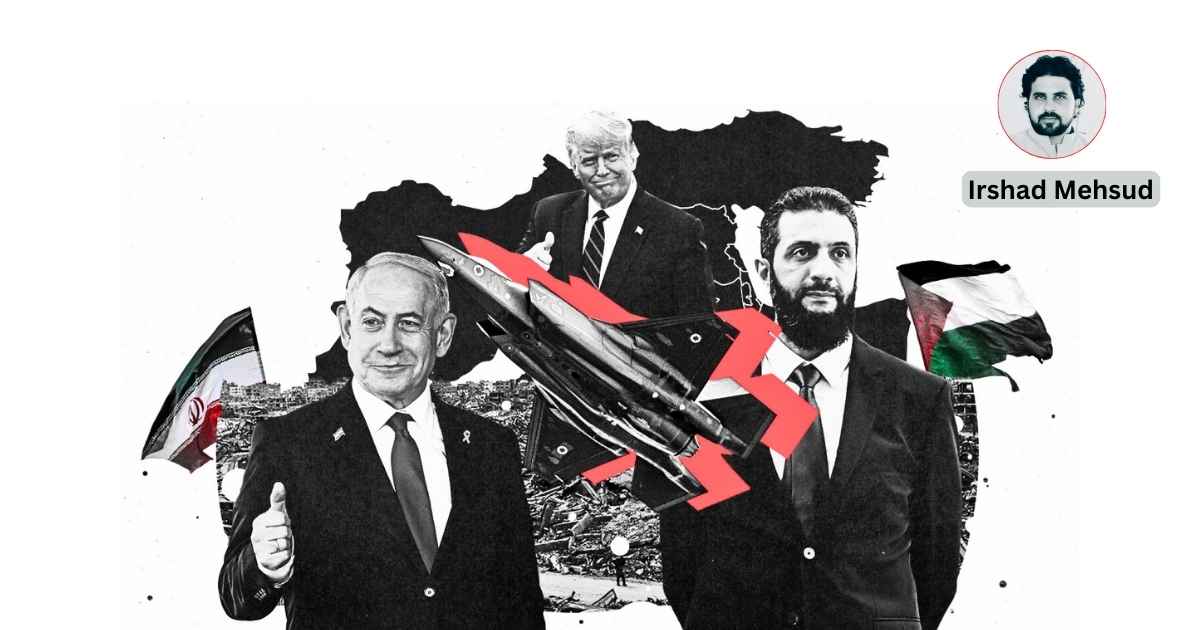
Middle East is currently at a critical junction. As of January 2026, the region is witnessing a strange mix of high-stakes diplomacy and lingering volatility.
The “Comprehensive Plan to End the Gaza Conflict,” initiated late last year, has moved into its second phase. However, the ground reality remains grim. While large-scale bombardments have decreased, the humanitarian crisis is far from over.
Cities in Gaza are struggling with the aftermath of winter storms, and reconstruction is agonizingly slow. Meanwhile, the regional power dynamics are shifting. Gulf nations, once primarily focused on internal security, are now positioning themselves as global mediators.
The recent “Miami Summit” between regional leaders shows a shift towards transactional diplomacy, where economic stability is being prioritized over decades-old ideological battles.
Yet, the question remains: can a peace built on trade agreements survive the deep-seated political grievances that still simmer beneath the surface?