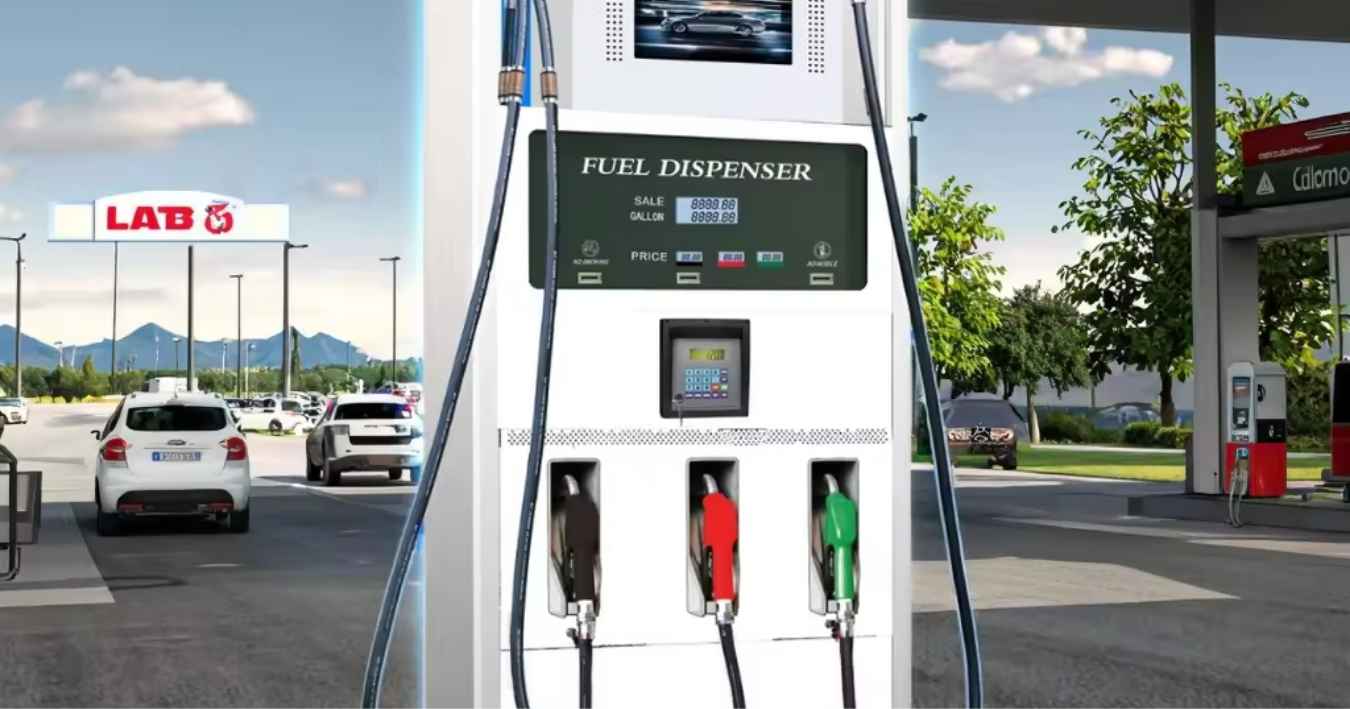
ISLAMABAD, For the millions of Pakistanis who spent the last week watching international oil tickers with a glimmer of hope, the news from the Petroleum Division on Thursday arrived like a splash of cold water. Despite a significant downturn in global crude prices and early estimates suggesting a relief of up to Rs5.49 per litre, the federal government has officially decided to keep petroleum prices unchanged for the fortnight starting January 16, 2026.
The decision has sparked a wave of debate across the country, as the government chose to absorb the potential price drop by jacking up the Petroleum Levy (PL) instead of passing the savings on to the public.
The Relief That Never Was
Earlier this week, the air was thick with optimistic projections. Based on a decline in international benchmarks where Brent crude has been hovering around the $59 mark oil marketing companies (OMCs) and energy analysts had predicted a much-needed reprieve.
Calculations shared with the Oil and Gas Regulatory Authority (OGRA) suggested that petrol prices could have dropped by Rs4.59 per litre, potentially bringing the pump price down from Rs253.17 to roughly Rs248.58. High-Speed Diesel (HSD), the backbone of the country’s transport and agriculture sectors, was expected to see a cut of Rs2.70, settling at Rs254.38 per litre.
For a population still reeling from the inflationary shocks of 2025, even a single-digit reduction felt like a victory. However, as the final summary reached the Prime Minister’s desk, the fiscal reality of the state took precedence over the immediate relief of the consumer.
A Fiscal “Shell Game”: Rising Levies
So, where did the “missing” discount go? The answer lies in the fine print of the government’s tax machinery.
Instead of lowering the retail price, the government increased the Petroleum Levy on petrol by Rs4.62 per litre and on HSD by 80 paise. By doing this, the state essentially captured the “room” created by lower international prices to bolster its own revenue streams.
Currently, the combined weight of the Petroleum Levy (PL) and the Climate Support Levy (CSL) stands at a staggering Rs87 per litre for petrol and Rs79 per litre for diesel. While this move helps the government meet the stringent revenue targets set in the 2025-26 budget—often a requirement for ongoing IMF programs, it leaves the average commuter, particularly motorcyclists and small-car owners, feeling sidelined.
The Impact on the Ground
The decision to hold prices steady has immediate implications for the cost of living. In Pakistan, fuel prices are the “master switch” for inflation.
- Public Transport: While a price hike usually triggers an immediate jump in bus and rickshaw fares, a “no-change” status quo often means that previously inflated fares remain stuck at their peak, as transporters rarely voluntarily lower prices without a massive drop in fuel costs.
- Agriculture: Farmers currently preparing for seasonal harvests rely heavily on High-Speed Diesel for tractors and tube wells. The lack of a price cut means the cost of production for staples remains high, which eventually reflects in the price of vegetables and wheat at the local mandi.
- The Middle Class: For the middle and lower-middle class, the start of 2026 has been a mixed bag. While the government did announce a significant cut on January 1st, the refusal to follow up with a second consecutive reduction is being viewed by many as a missed opportunity to truly break the back of inflation.
Global Trends vs. Domestic Reality
Globally, the oil market is in a state of flux. Tensions in the Middle East, particularly involving Iran, had initially driven prices up. However, a recent de-escalation in rhetoric from Washington and signs of slowing demand in major economies have pulled WTI crude down to nearly $59 per barrel its sharpest drop in months.
In a deregulated or more flexible market, these shifts would reflect at the pump within days. In Pakistan, however, the “fortnightly review” system acts as a buffer that can be used by the state to either protect consumers from sudden spikes or, as seen this week, to refill the national treasury when prices dip.
As the current price notification remains valid until January 31, all eyes are now on the next review. If global prices continue to hover in the $50–$60 range, the pressure on the government to pass on the benefit will become immense.
For now, the official rates stand as follows: | Product | Current Price (per Litre) | | :— | :— | | Petrol (Motor Spirit) | Rs253.17 | | High-Speed Diesel (HSD) | Rs257.08 | | Kerosene Oil | Rs170.88 | | Light Diesel Oil (LDO) | Rs146.18 |
While the government argues that price stability is better for the economy than constant volatility, the man on the street might beg to differ. For a nation waiting for the “green shoots” of economic recovery, a few rupees less at the filling station would have been a much more convincing sign of progress.